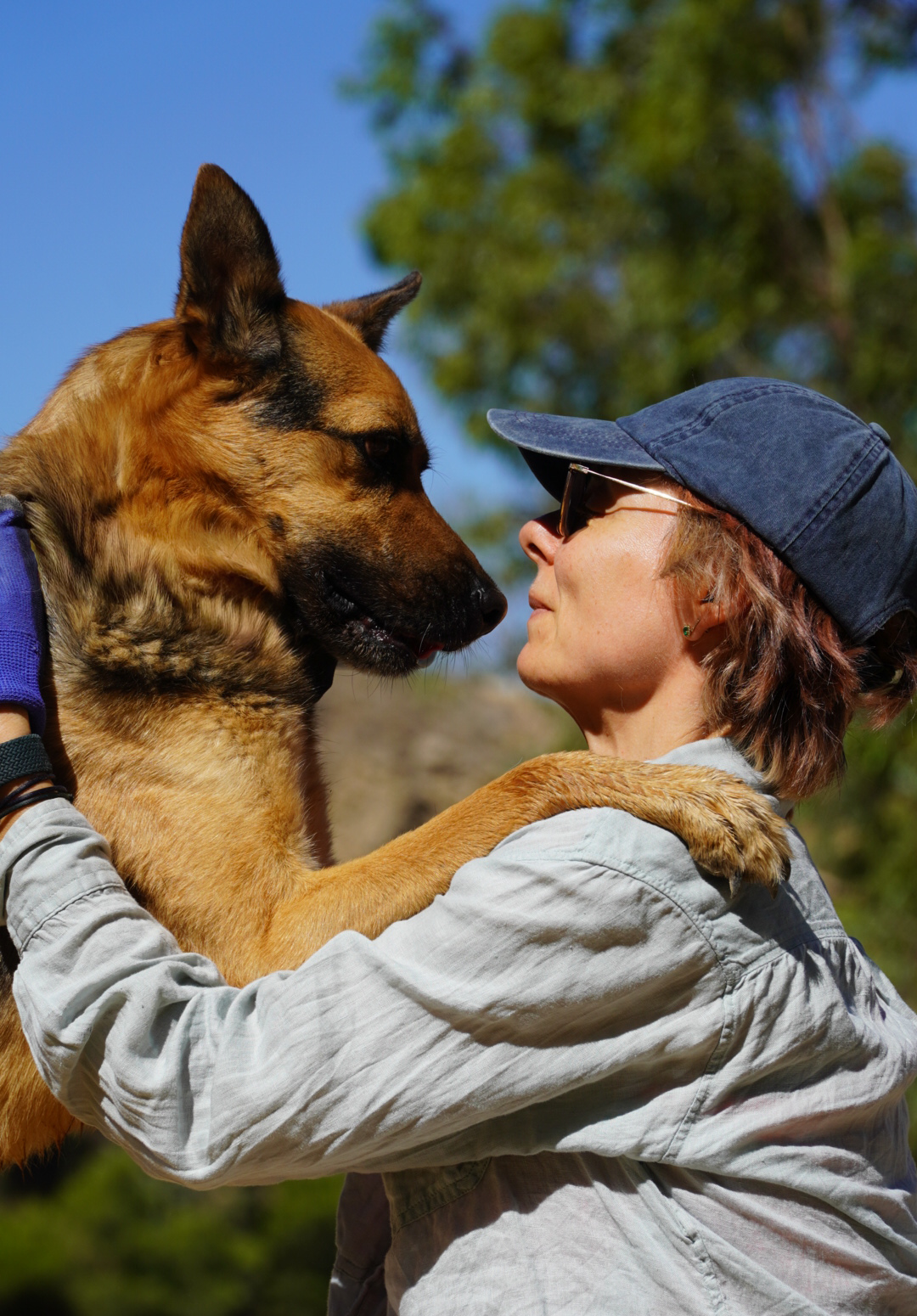
There are millions of stray dogs in Greece. You’ll rarely see them in the tourist areas of central Athens, but in the suburbs, in rural areas, and on islands, the situation for stray dogs is dire. They often struggle with starvation, parasites, and untreated injuries.
Lack of Neutering: This is the core driver. Historically, there was little culture of neutering animals, leading to unchecked reproduction. Some municipalities now have a catch-neuter-release effort, but there is a severe shortage of resources and political will.
Abandoned Pets: Many people abandon their pets, either when they can no longer afford to feed or treat them, or due to other inconveniences. There is a hefty fine for giving a pet to the municipality, so people abandon them on the street to fend for themselves. Many locals incorrectly believe the government operates massive, well-funded shelters that will take care of abandoned animals, which lowers the friction for abandonment. In fact, shelters are completely overcrowded, underserviced, and typically have subpar care standards.
In 2021, Greece passed a progressive Animal Welfare Law (No. 4830/2021), which legally mandates:
- Neutering or DNA registration for owned pets. - Microchipping for all pets. - Significantly stiffer penalties for animal cruelty and abandonment.
But in reality, enforcement severely lags behind the legislation. Most municipalities lack the funding, staff, and shelter space to enforce the rules or handle the sheer volume of animals. Because of this, the heavy lifting falls almost entirely on volunteer-run animal welfare NGOs who organize neutering campaigns and manage makeshift, overcrowded shelters supported by donations.
Adopting a Greek stray contributes to alleviating this dire situation.